Stone Plastic Composite (SPC) vinyl flooring has emerged as a top contender in the world of home renovations and new construction projects. This innovative material is crafted from a unique blend of natural limestone powder, polyvinyl chloride, and stabilizers, creating a core that is remarkably sturdy and impervious to moisture. Its robust construction ensures that it stands up to the challenges of daily life, making it an ideal choice for high-traffic areas like kitchens and bathrooms.
One of the standout benefits of SPC vinyl flooring is its resistance to water damage. The waterproof nature of the material means it won't swell, buckle, or lose integrity when exposed to spills or humidity. This characteristic is particularly appealing to homeowners who desire the look of hardwood without the worry of water-related issues that can come with natural wood floors.
Moreover, SPC vinyl flooring is renowned for its ease of installation. The click-lock design allows for a floating floor setup that can be easily placed over existing flooring, saving time and labor costs. This feature is a boon for professional builders and developers who are on tight construction timelines and need a reliable, quick-to-install flooring option.
In terms of comfort and style, SPC vinyl does not disappoint. It provides a warm, comfortable surface underfoot, which is much appreciated during colder months. Additionally, the flooring comes in a variety of designs and patterns, giving homeowners the freedom to choose a style that best suits their interior décor.
For those seeking a flooring solution that blends durability, aesthetics, and practicality, SPC vinyl flooring is a preferred choice. Its combination of strength, water resistance, and stylish options aligns with the needs and tastes of both residential homeowners embarking on renovation projects and professionals in the building industry.
When embarking on home renovation projects or constructing new living spaces, the choice of flooring is pivotal to both the aesthetic appeal and the durability of the project. Stone Plastic Composite (SPC) vinyl flooring has emerged as a popular option for kitchens, bathrooms, and other areas due to its resilience and versatility. To ensure the longevity of SPC vinyl flooring, it is essential to pay attention to several key factors.
Firstly, consider the thickness of the SPC vinyl planks. A thicker plank will typically provide better sound insulation and feel more stable underfoot. For areas with high foot traffic or heavy furniture, opting for a plank that is at least 5mm thick can help prevent indentations and wear over time.
The wear layer is another critical aspect. This is the transparent top layer that protects the flooring from scratches, stains, and fading. A wear layer of at least 12 mils is recommended for residential use, while commercial spaces might require a thicker layer for added protection.
It's also important to look at the manufacturing standards of the product. High-quality SPC vinyl flooring should meet industry standards for safety and sustainability, including certifications like FloorScore or GREENGUARD. These certifications indicate that the flooring has been tested for volatile organic compounds (VOCs) and other harmful emissions, ensuring a safer environment for your home or building project.
Furthermore, reputable manufacturers will often provide warranties for their SPC vinyl flooring, which can serve as an indicator of the product's durability and the company's confidence in its performance. A warranty of at least 15 years for residential use is a good benchmark.
By paying close attention to these factors—thickness, wear layer, and manufacturing standards—you can select SPC vinyl flooring that not only meets the aesthetic requirements of your project but also promises a long-lasting, high-performance surface for years to come.
Before laying SPC vinyl flooring, it's critical to ensure the subfloor is level, clean, and dry. Any high spots should be sanded down and low spots filled with a leveling compound. This prevents future problems such as buckling or gaps in the flooring. A thorough assessment also involves checking for moisture issues; excessive subfloor moisture can lead to mold growth and compromise the floor's integrity. Employing a professional to evaluate the subfloor can save time and additional costs in the long run.
Acclimating SPC vinyl flooring to the room's temperature and humidity where it will be installed is essential. This process, which typically takes about 48 hours, allows the material to expand or contract before installation. Skipping this step can result in warping or gaps after the flooring is laid. Homeowners and builders should plan the renovation timeline to include this acclimation period, ensuring the flooring's longevity and appearance are preserved.
Proper handling of SPC vinyl flooring materials is crucial from the moment they arrive. Care should be taken to avoid bending or stressing the planks, as this can cause micro-fractures that compromise the floor's durability. It's recommended to stack the flooring flat and in a stable environment, away from direct sunlight or extreme temperatures. Handling the materials with care ensures they remain in pristine condition up to the point of installation.

Installing a moisture barrier is often a necessary step, especially over concrete subfloors or in areas with high humidity. This barrier provides protection against moisture that can seep up from the subfloor, which is essential for preventing mold growth and floor damage. The type of moisture barrier will vary depending on the specific conditions and requirements of the installation site. Consulting with a flooring expert can help determine the best moisture barrier solution for your project.
To maximize the longevity of SPC (Stone Plastic Composite) vinyl flooring, a meticulous approach to installation is paramount. Homeowners and professional builders alike must ensure that the correct tools and techniques are employed to avoid common pitfalls that could compromise the flooring's durability.
Firstly, the subfloor must be properly prepared. It should be flat, clean, and dry, as any debris, moisture, or irregularities can cause issues post-installation. Utilizing a level to check for flatness and filling in any low spots with a suitable compound can prevent future problems. A moisture test is also recommended, especially for areas like kitchens and bathrooms, where water exposure is more likely.
Regarding tools, the ones listed above facilitate precise placement and secure locking of the planks without causing damage. It's advisable to read the manufacturer's instructions carefully, as some SPC flooring may require specific tools or methods for installation.
One should employ the technique of staggering the planks to avoid pattern repetition and to enhance the floor's structural integrity. This involves making sure the end joints are spaced at least 6 inches apart for consecutive rows. Starting with a full plank for the first row, then cutting one-third of a plank for the next row can achieve this staggered effect.
A potential pitfall to avoid is the inadequate expansion gap around the perimeter of the room. SPC flooring expands and contracts with temperature changes, and without this gap, it can buckle. Typically, a gap of 1/4 inch to 1/2 inch is recommended, but always refer to the manufacturer's guidelines for the precise measurement.
Lastly, ensure that the locking mechanisms are engaged correctly. Improperly locked joints can lead to seam separation and reduce the floor's water resistance. Use the tapping block and rubber mallet gently to click the planks together without damaging the edges.
By adhering to these detailed methods, residential homeowners and professional builders can ensure the durability and longevity of their SPC vinyl flooring, creating a solid foundation for their renovation projects.
To ensure that your newly installed SPC (Stone Plastic Composite) vinyl flooring retains its beauty and durability for years to come, it's essential to follow some initial care and maintenance steps. These guidelines are particularly important during the first few days after installation, as the flooring settles and acclimates to your home environment.
Begin by keeping foot traffic to a minimum for at least 24-48 hours post-installation. This allows the adhesive to cure properly and prevents any premature shifting of the planks or tiles. Furniture should also be avoided on the new flooring for the same period. When it is time to move furniture back into the room, use felt pads under legs to prevent scratches and dents.
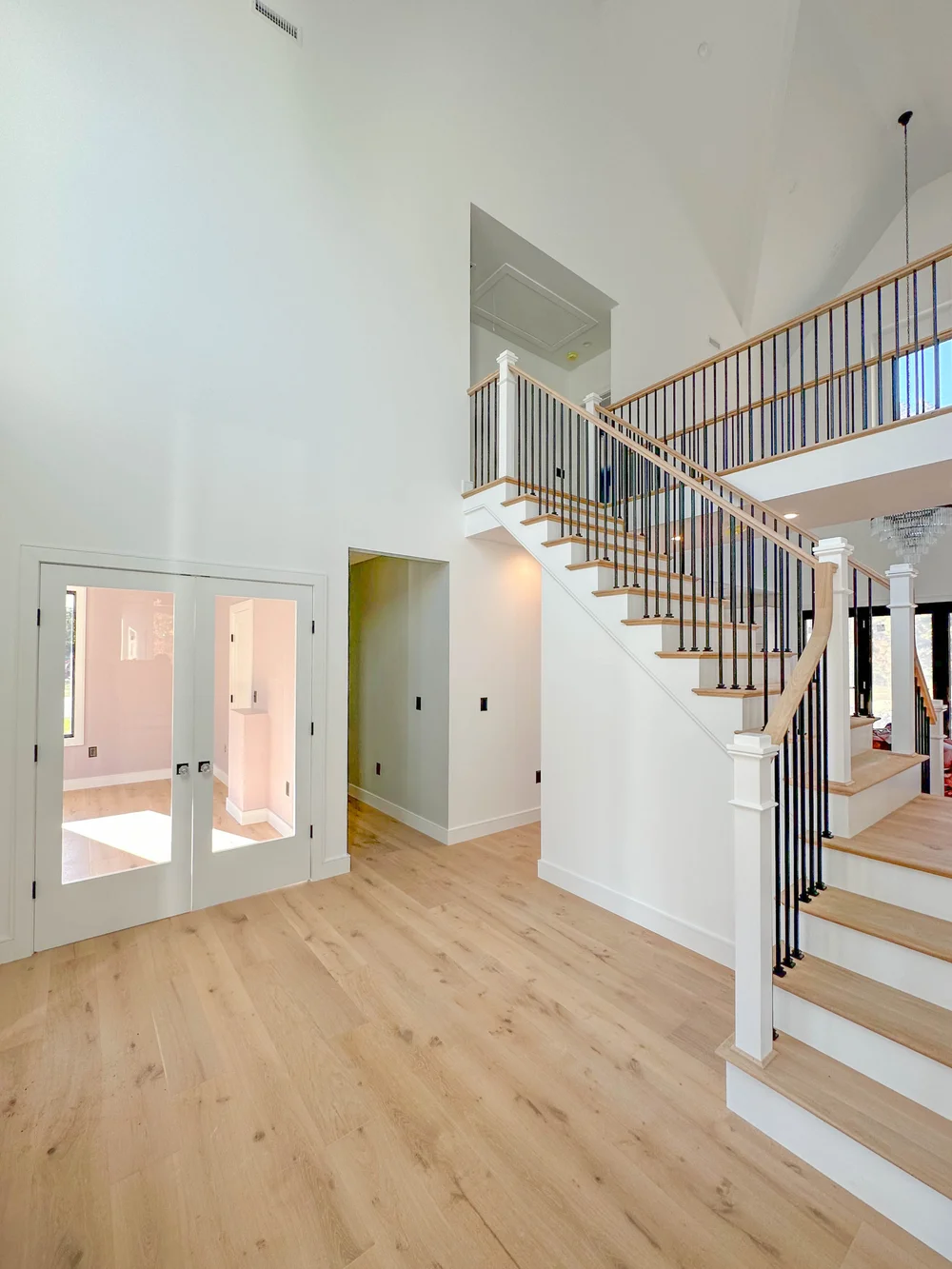
Cleaning should be approached with caution during the early stages. Sweep or vacuum the floor to remove any loose dirt or debris, but avoid using a vacuum with a beater bar as it can damage the surface of the SPC flooring. When mopping, use a damp mop rather than a wet one and choose a cleaner that is specifically designed for vinyl flooring. Avoid harsh chemicals and abrasive tools, as these can strip away the wear layer and diminish the floor's appearance and longevity.
Immediate spills should be wiped up promptly to prevent staining. For tougher spots, a mild soap solution can be used, but ensure that the floor is dried thoroughly afterward to avoid water seeping into the edges or seams.
Lastly, consider implementing protective measures such as entry mats at doorways to catch dirt and grit that can scratch the floor's surface. In high-traffic areas or under rolling chairs, use protective mats to safeguard against wear and tear.
By adhering to these initial care instructions, you will protect the integrity of your SPC vinyl flooring, ensuring that it remains a stunning and functional part of your home for many years.
To ensure the lasting beauty and durability of your SPC vinyl flooring, it is essential to adhere to a regular maintenance routine. This is particularly important for residential homeowners planning kitchen, bathroom, or home renovation projects, as well as professional builders and developers who require reliable flooring that maintains its appearance over time. The key to preserving the allure of this flooring option lies in simple yet effective care practices.
Initiate your maintenance by embracing a regular cleaning schedule. Sweeping or vacuuming your SPC flooring daily will prevent dirt and grit from accumulating, which can cause scratches and dull the floor's finish over time. When vacuuming, ensure you use a soft brush attachment to avoid any abrasions.
Scratch prevention is another vital aspect of maintaining your SPC vinyl flooring's aesthetic. Incorporate the use of felt pads under furniture legs to prevent scratching when items are moved. If you need to move heavy furniture or appliances, always lift rather than drag them across the floor. For added protection, consider using protective mats in high-traffic areas or under rolling chairs to minimize potential damage.
Handling spills promptly is crucial to prevent staining or water damage. Spills should be wiped up immediately with a clean, dry cloth. For sticky or stubborn substances, a damp cloth with a bit of mild detergent can be used, followed by a rinse with water to remove any residual cleaner. It's important to avoid using steam mops or hot water, as extreme temperatures can cause the vinyl to warp or swell.
By following these straightforward maintenance steps, you'll not only sustain the longevity of your SPC vinyl flooring but also ensure it continues to contribute to the beauty and functionality of your space for years to come.
To extend the lifespan of SPC (Stone Plastic Composite) vinyl flooring and maintain its pristine condition, certain measures can be taken to safeguard against wear and tear. One of the most effective strategies is the application of a quality sealant. A sealant acts as a protective layer, shielding the flooring from spills, stains, and moisture - common threats in areas like kitchens and bathrooms. It's essential to choose a sealant that's compatible with SPC vinyl and apply it according to the manufacturer's instructions to ensure optimal protection.
Key Considerations for Sealant Application:
In addition to sealants, the selection of furniture pads is crucial in preventing scratches and dents that furniture legs can cause over time. Opt for thick, felt pads that can be easily affixed to the bottoms of furniture. These pads not only help in preserving the floor's surface but also make it easier to move furniture without causing damage. It's advisable to replace these pads periodically as they can wear down or collect grit that can scratch the floor.
For residential homeowners planning kitchen, bathroom, or home renovation projects, and professional builders and developers seeking reliable trade partners for construction timelines, these strategies are not just about maintaining appearance but also about ensuring the structural integrity of the flooring. By taking these proactive steps, homeowners and professionals alike can enjoy the beauty and resilience of SPC vinyl flooring for years to come, making it a wise investment for any property. Remember, a little effort in protection can go a long way in preserving the value and aesthetics of your flooring.
When it comes to SPC (Stone Plastic Composite) vinyl flooring, its durability is one of its most lauded features, especially suitable for areas such as kitchens and bathrooms that experience high moisture levels. However, even the most robust materials can face issues over time. Being aware of potential problems and knowing how to address them can significantly extend the life of your flooring.
One issue that homeowners may encounter is discoloration. This can occur due to prolonged exposure to direct sunlight or the use of rubber-backed mats which can cause a chemical reaction with the flooring. To prevent this, it's advisable to use window coverings to limit the amount of UV light hitting the floor and opt for non-rubber mats.
Peaking is another concern, where the planks push up against each other at the seams, creating a raised area. This is often due to a lack of expansion space around the perimeter of the flooring or between flooring and fixed objects. During installation, ensuring that there is enough space for the natural expansion and contraction of the flooring can avert this problem. If peaking does occur, it may be necessary to remove the baseboards and trim to create the required expansion gap.
Gapping, or spaces between the planks, can also manifest, usually as a result of temperature fluctuations. SPC flooring contracts in cold weather and expands when it's warm. Maintaining a consistent indoor temperature can help, but if gaps do appear, they can sometimes be closed by applying gentle pressure to push the planks back together. If the issue persists, professional assessment is recommended to determine if the locking mechanisms are damaged or if there's a need for a more extensive repair.
By being proactive and vigilant, homeowners and professionals alike can ensure that SPC vinyl flooring remains a reliable and attractive choice for years to come. Regular maintenance and timely interventions can easily keep common problems at bay, securing your investment and the aesthetic appeal of your space.
To maximize the durability of your SPC vinyl flooring, it's crucial to consider environmental factors that could impact its longevity. As a homeowner embarking on a renovation project or a professional in the building industry, understanding these nuances can ensure that your flooring remains pristine for years to come.
One key element to monitor is the climate within the space where the flooring is installed. SPC vinyl, while known for its resistance to temperature fluctuations, thrives in a stable environment. It's advisable to maintain a consistent temperature and humidity level to prevent expansion and contraction of the material, which could lead to warping or gaps. Investing in a good HVAC system or dehumidifier can make a significant difference in preserving the integrity of your flooring.
Essential Climate Control Considerations:
In addition to climate control, safeguarding your SPC vinyl flooring from prolonged exposure to sunlight is essential. UV rays can cause discoloration and deterioration over time. Use UV-blocking window treatments or films to protect your floors without sacrificing natural light. For rooms with excessive sun exposure, consider adding rugs in high-traffic areas to shield the flooring from direct UV rays.
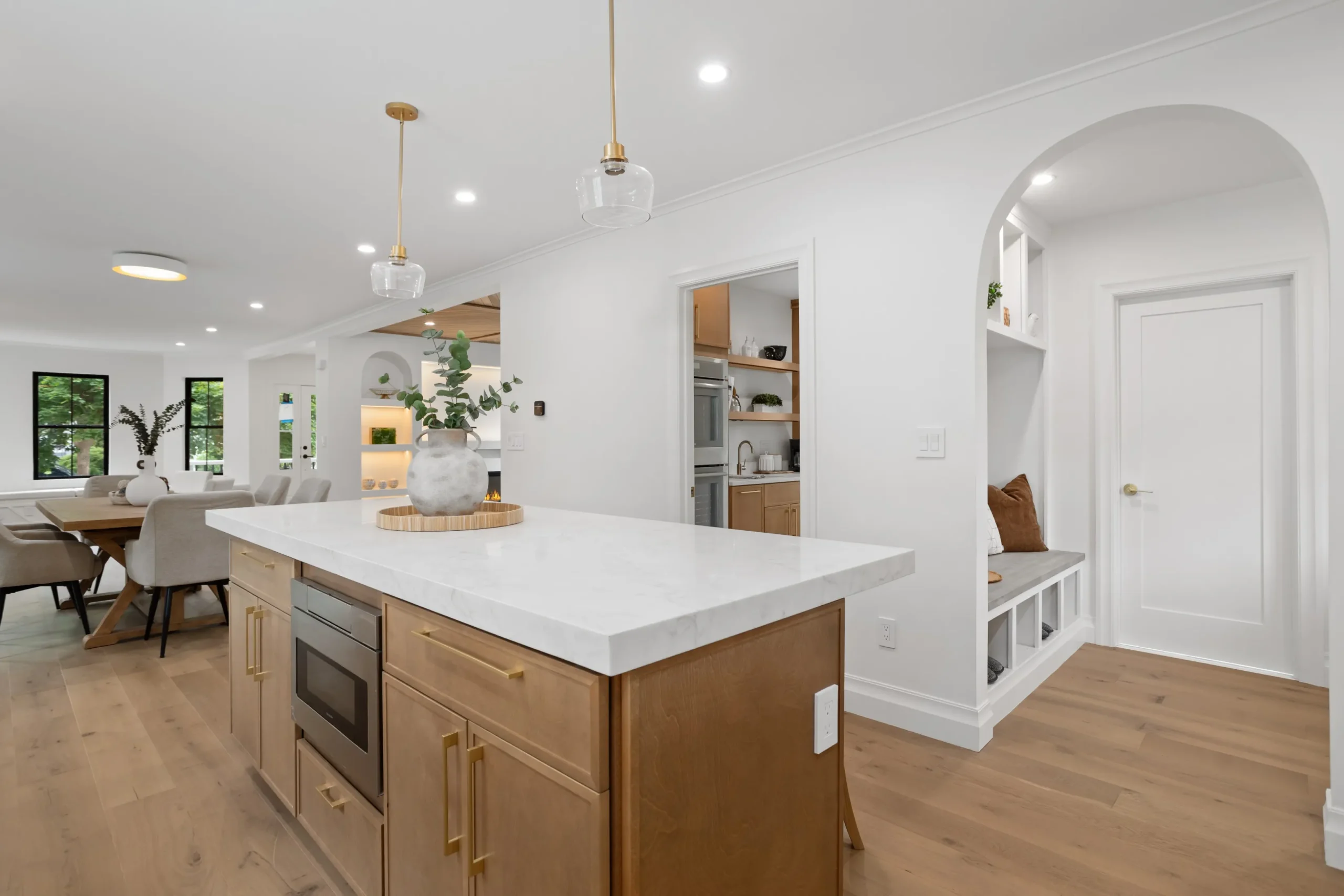
Lastly, while SPC vinyl flooring is designed with a durable wear layer, it can benefit from professional refinishing services when needed. If you notice scratches or dullness, a flooring specialist can apply a new topcoat or utilize specialized products to rejuvenate the surface. Refinishing is a cost-effective way to refresh the appearance of your floors and extend their lifespan without a full replacement.
By implementing these strategies, you can enjoy the beauty and resilience of your SPC vinyl flooring well into the future. Whether you're a homeowner looking to enhance your living space or a builder aiming for long-lasting quality in your projects, these proactive measures will contribute to the overall success and satisfaction of your flooring investment.
Measuring Success: Key Metrics for Flooring Installation Quality
Enhance the longevity of SPC vinyl flooring by adhering to proper maintenance routines. Regular cleaning with suitable products prevents wear and tear, while avoiding harsh chemicals preserves the material's integrity. Strategic placement of protective pads under furniture can also mitigate potential damage, ensuring your flooring remains pristine for years.
Correct installation is crucial for SPC vinyl flooring's lifespan. Employing a professional installer to ensure a tight, seamless fit can prevent future issues such as buckling or gaps. It's essential to allow for adequate acclimation time before installation, which will adapt the flooring to the ambient conditions of the space.
The foundation beneath SPC vinyl flooring is as important as the surface. Selecting a high-quality underlayment provides sound insulation, comfort underfoot, and additional moisture protection. It also helps to smooth out any subfloor imperfections, ensuring a flawless finish and extended durability.


To maintain SPC vinyl flooring and ensure its longevity, regular sweeping and vacuuming to remove dirt and debris are crucial. Use a damp mop with a mild cleaner specifically designed for vinyl floors to address spills and stains. Place protective pads under heavy furniture to prevent scratches and avoid using abrasive cleaners or scrubbing tools that can damage the flooring surface.
Homeowners can integrate SPC vinyl flooring into their kitchen and bathroom renovations by selecting a style and color that complements their design scheme. SPC flooring is highly water-resistant, making it an excellent choice for areas prone to moisture. Consult with a professional installer to ensure proper installation and to take advantage of SPCs durability and aesthetic appeal in these high-traffic areas.
Professional builders should consider the quality and wear layer thickness of SPC vinyl flooring to ensure it can withstand the demands of construction timelines and future residential use. They should also look for reputable suppliers who offer a range of styles and who can provide consistent product availability to meet project schedules. Additionally, builders must ensure the subfloor is properly prepared to guarantee a successful and long-lasting installation.