When undertaking home renovation projects, selecting the right materials plays a crucial role in not only defining the aesthetic appeal of your space but also in ensuring its durability and sustainability. For residential homeowners and professional builders alike, the focus on sustainable materials is becoming increasingly paramount for both immediate and long-term benefits.
Utilizing high-quality, sustainable materials can significantly increase the long-term value of a home. These materials are often more durable, requiring less maintenance and replacement over time, which translates into cost savings and a higher return on investment. Additionally, homes that feature sustainable materials tend to have better marketability, as eco-consciousness continues to rise among homebuyers.
Moreover, the environmental impact of construction materials cannot be understated. Traditional building materials can be resource-intensive and harmful to the environment both during their manufacture and at the end of their lifecycle. In contrast, sustainable materials are typically sourced from renewable or recycled resources, have lower embodied energy, and are manufactured through processes that minimize pollution and waste. By choosing these materials, homeowners and builders take an active role in reducing the carbon footprint of their projects.
Key Benefits of Sustainable Materials:
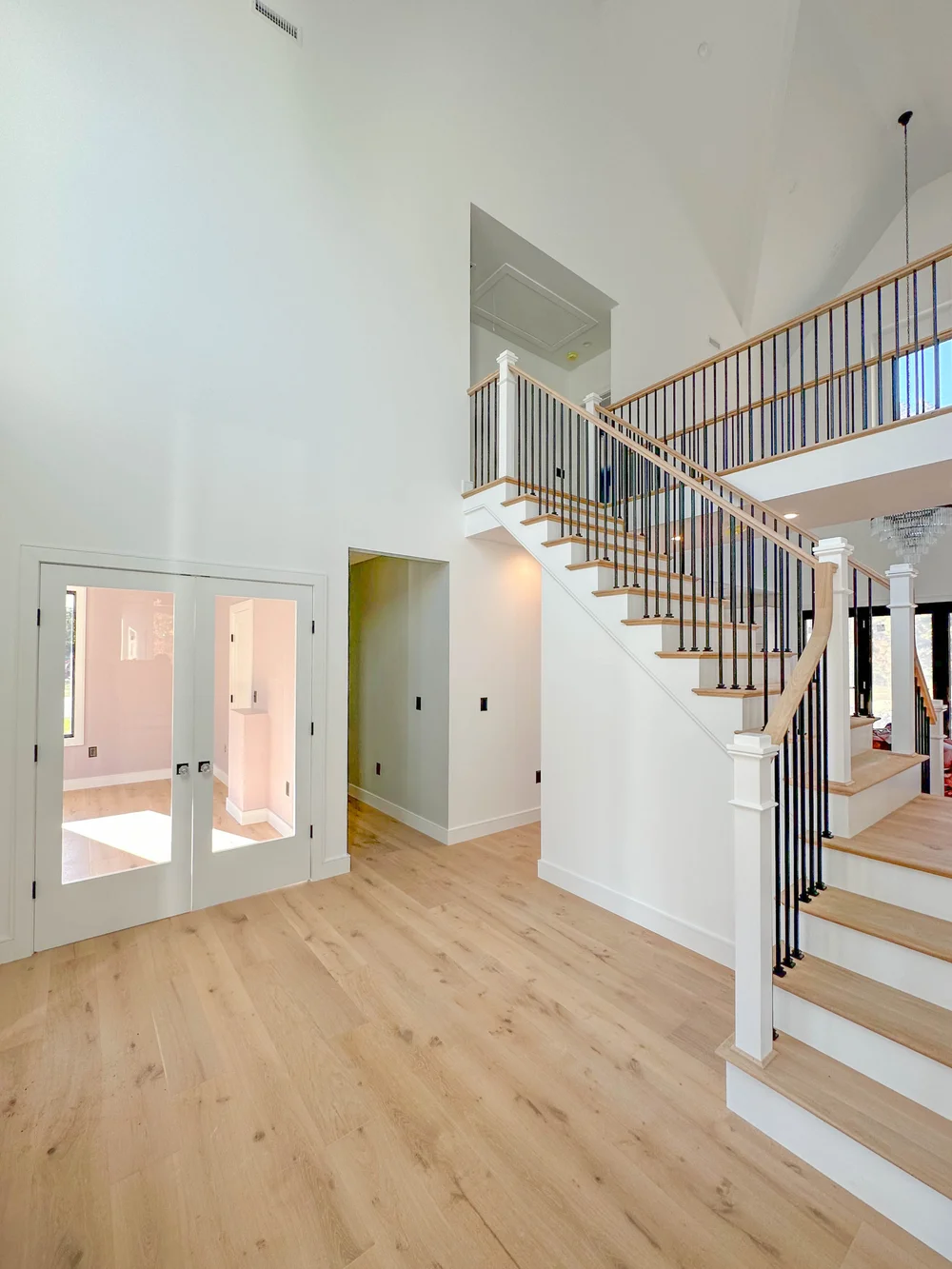
For example, bamboo flooring or reclaimed wood not only offers a unique and warm aesthetic but also represents a choice for renewable and reclaimed resources. Searching for a top-rated outdoor living design build company you can trust, CabStone checks every box.. Similarly, using insulation made from recycled materials can enhance energy efficiency, leading to reduced energy consumption and lower utility bills.
It is essential to consider the entire lifecycle of the materials used — from production to disposal. Materials that can be recycled or repurposed at the end of their use not only contribute to a more circular economy but also add to the sustainable credentials of a property.
In conclusion, the quality and sustainability of materials used in home renovations are foundational to creating lasting value. As homeowners and builders plan their projects, prioritizing these aspects will not only ensure a more eco-friendly approach but will also enhance the overall worth and appeal of the home for years to come.
For residential homeowners planning kitchen, bathroom, or home renovation projects, as well as professional builders and developers seeking reliable trade partners for construction timelines, the selection of materials is a critical factor in ensuring the success and enduring value of the project. Sustainable materials are increasingly recognized as the bedrock of intelligent construction and renovation, prized not only for their environmental advantages but also for their robustness and extended service life.
Materials that are sustainable are inherently designed with foresight. Their longevity is a key aspect of their value proposition, contributing significantly to cost-efficiency. Homeowners and construction professionals are drawn to sustainable materials for their proven durability. While the initial investment in high-caliber sustainable materials may be greater, the long-term economic benefits are substantial, owing to their reduced need for replacement and maintenance, resulting in a lower overall cost of ownership and fewer disruptions and expenses associated with future refurbishments.
Furthermore, the durability of these materials ensures that properties retain their visual appeal and structural soundness over extended periods. This not only serves the interests of the residents but also boosts the real estate value. Properties that incorporate sustainable and high-quality components are distinctive in the marketplace, often commanding a higher price as potential purchasers recognize the advantages of lower upkeep and a reduced ecological footprint.
Choosing sustainable materials is in line with a broader ethos of conscientious construction practices. It represents a commitment to excellence that yields benefits such as an enhanced living environment, decreased costs throughout the life of the property, and a favorable impact on the environment. For those contemplating renovations or new builds, the integration of sustainable materials is more than a passing trend—it is a forward-thinking approach to securing enduring value and contentment.
When renovating a kitchen, selecting the right countertop is crucial for sustainability and aesthetics. Materials like recycled glass and quartz offer durability and low environmental impact, as they often come from recycled content and are engineered to last. Additionally, sustainably harvested wood or bamboo can add warmth to a kitchen while also being eco-friendly. Homeowners should consider the life cycle of the material, including its manufacturing process and potential for recyclability at the end of its use.
Cabinetry takes up a significant portion of kitchen real estate and its material choice greatly affects both sustainability and home value. Options such as FSC-certified wood ensure that products come from responsibly managed forests. Moreover, cabinets made from reclaimed or recycled wood can reduce deforestation and offer a unique story. Low-VOC or no-VOC finishes and adhesives are also important for maintaining indoor air quality, a key aspect of a sustainable home.
Water and energy efficiency are integral to a sustainable kitchen. Faucets and fixtures that have an EPA WaterSense label can significantly reduce water usage without sacrificing performance. Similarly, energy-efficient appliances, such as those certified by ENERGY STAR, not only lower utility bills but also reduce the carbon footprint of a home. These investments contribute to long-term savings and enhance the overall value of the property.
Flooring is another area where sustainable choices can make a big impact. Eco-friendly materials like cork or bamboo are renewable and provide a durable, yet comfortable surface underfoot. Recycled tile or linoleum made from natural, renewable materials can also be good choices for those looking to create an environmentally conscious space. Selecting the right flooring involves balancing practicality, sustainability, and the desired aesthetic to complement the rest of the kitchen design.
Proper lighting is essential in any kitchen, and choosing sustainable options can contribute to energy savings. LED lighting is the gold standard for efficiency, offering a longer lifespan and using a fraction of the energy compared to traditional incandescent bulbs. Skylights and strategically placed windows can also harness natural light, reducing the need for artificial lighting during the day. These solutions not only improve the ambiance of a kitchen but also align with eco-friendly principles.

When embarking on bathroom renovations, it's essential to prioritize both the quality of materials and their sustainability, ensuring that your choices contribute to long-term home value and environmental responsibility. Water-efficient fixtures are a prime example of a sustainable choice that can make a significant impact. Low-flow toilets, showerheads, and faucets can drastically reduce water consumption, leading to lower utility bills and a diminished ecological footprint. It's important to look for products with the EPA's WaterSense label, which signifies high performance and water efficiency.
Key Considerations for Sustainable Materials:
Equally important is the selection of non-toxic materials that promote a healthy living environment. Volatile Organic Compounds (VOCs), commonly found in paints, adhesives, and sealants, can release harmful chemicals into the air long after application. Opting for low-VOC or VOC-free products can improve indoor air quality and reduce exposure to potential health risks. Additionally, choosing materials like recycled glass tiles or countertops, bamboo flooring, or reclaimed wood can enhance the aesthetic of your bathroom while being environmentally responsible.
Another green option to consider is the use of energy-efficient lighting and appliances. LED lighting, for instance, not only uses less energy but also has a longer lifespan than traditional incandescent bulbs. When selecting exhaust fans or other appliances, look for those with the ENERGY STAR label, ensuring that they meet energy efficiency guidelines set by the U.S. Environmental Protection Agency.
In summary, integrating water-efficient fixtures, non-toxic materials, and energy-saving options into your bathroom renovation is a strategic approach to boosting home value. These choices reflect a commitment to quality, sustainability, and the well-being of both the environment and the occupants of your home. As a homeowner or building professional, these considerations will set a standard for excellence and responsibility in your renovation projects.
When embarking on a renovation, the selection of materials can heavily influence both the aesthetic appeal and the environmental impact of your home. Flooring, in particular, offers an opportunity to blend these two considerations seamlessly. Sustainable flooring options like bamboo, cork, and reclaimed wood are not only visually striking but also kinder to our planet.
Bamboo flooring, with its sleek appearance and remarkable durability, is a favorite among eco-conscious homeowners. As a rapidly renewable resource—bamboo can be harvested every five to six years without causing damage to the ecosystem—it stands as a testament to sustainability. Additionally, its natural hardness often surpasses that of traditional hardwood, making it a practical choice for high-traffic areas in the home.
Cork, a material harvested from the bark of cork oak trees without felling them, provides a unique texture and a cushion underfoot that can be a relief in spaces like kitchens, where one might stand for extended periods. Its thermal insulation properties also contribute to energy efficiency, a key factor in sustainable building practices. Not to mention, cork's sound-dampening qualities make it an excellent choice for creating a tranquil home environment.
Reclaimed wood is another sustainable star, offering a story in every plank. Salvaged from old barns, factories, and warehouses, this material reduces the demand for new timber and adds a rich historical character to your space. The natural patina and weathered textures of reclaimed wood bring warmth and rustic charm that is unparalleled, all while ensuring that the environmental footprint of your renovation remains minimal.
Choosing any of these materials not only contributes positively to the environment but also ensures that your home stands out with a distinct, timeless look that can enhance its long-term value. As residential homeowners and professional builders alike strive to balance beauty with responsibility, these sustainable flooring options pave the way for a future where luxury and eco-friendliness go hand in hand.
When embarking on a home renovation project, such as a cozy kitchen update, a serene bathroom makeover, or a comprehensive home transformation, one of the most consequential choices for both environmental stewardship and financial savings is the selection of insulation material. Premium, eco-friendly insulation not only enhances the comfort and efficiency of your home but also significantly reduces energy expenditure over time.
Choosing insulation with outstanding thermal performance is a prudent investment. These materials diligently work behind the scenes, stabilizing your home's temperature by minimizing heat loss during the cooler months and preserving cooler indoor conditions during the warmer months. This consistent temperature control means your heating and cooling systems can operate more efficiently, leading to substantial savings on your energy bills. Over time, these savings can accumulate, compensating for the initial investment in the insulation material.
Moreover, eco-conscious insulation materials are frequently derived from recycled or renewable sources, diminishing the ecological impact of your construction or renovation project. By opting for these environmentally responsible choices, you not only promote a healthier living space for yourself but also support a larger movement towards mindful resource use and waste minimization.
Residential homeowners should note: selecting high-caliber, sustainable materials for your renovation endeavors is an investment in the enduring comfort, efficiency, and market value of your property. Professional builders and developers can also capitalize on this strategy by meeting the escalating demand for environmentally responsible building practices and establishing themselves as dependable partners who value long-term benefits over immediate profits.
Integrating these principles into your renovation or building plans can lead to a residence that not only endures in terms of design and practicality but also operates with a minimized ecological footprint—a dual victory for both the property owner and the environment.
When embarking on a home renovation or construction project, the choice of materials plays a pivotal role not only in the aesthetics and functionality of your space but also in its sustainability and long-term value. For residential homeowners planning kitchen, bathroom, or home renovation projects, and professional builders and developers seeking reliable trade partners for construction timelines, selecting high-quality materials that are sustainably sourced is becoming increasingly important. These choices can significantly impact the environmental footprint of your project and influence the broader supply chain of sustainable building products.
Choosing materials that are responsibly harvested or manufactured with eco-friendly processes ensures that your renovation supports a market for sustainable goods. This, in turn, encourages suppliers to prioritize environmental considerations in their offerings. For instance, opting for wood from sustainably managed forests, certified by organizations like the Forest Stewardship Council (FSC), contributes to the conservation of natural habitats and reduces deforestation.
Key Advantages of Sustainable Materials:
In addition to their environmental benefits, sustainably sourced materials often come with the advantage of greater durability. Products that are designed to be sustainable are typically made with a higher level of care and quality control, which means they can better withstand the test of time. This quality aspect is crucial for homeowners and builders looking to maximize the long-term value of their properties.
Moreover, the demand for responsibly sourced materials drives innovation in the building industry. Suppliers and manufacturers are motivated to research and develop new materials and methods that minimize environmental impact without compromising on quality. As a result, the market is continuously presented with advanced sustainable options that cater to the evolving needs of building professionals and homeowners.
In conclusion, by prioritizing the quality and sustainability of the materials you choose for your home renovation or building project, you are making a statement about the kind of future you want to invest in. Not only does this approach enhance the value of your property, but it also supports the growth of a sustainable supply chain that benefits the environment and the economy alike.
When embarking on home renovation projects or new constructions, both residential homeowners planning kitchen, bathroom, or home renovations and professional builders and developers seeking reliable trade partners for construction timelines have a growing number of reasons to prioritize sustainability. By selecting high-quality, sustainable materials, you not only ensure the longevity and efficiency of your property but also contribute positively to the environment. A practical approach to ascertain the sustainability of building materials is by looking for established certifications.
Leadership in Energy and Environmental Design (LEED) is one of the most prominent certification programs. Developed by the U.S. Green Building Council, LEED provides a framework for healthy, highly efficient, and cost-saving green buildings. Materials that contribute to LEED certification points are often produced using less water and energy, reducing greenhouse gas emissions, and are sourced from suppliers who practice responsible forestry and recycling.
Another notable certification is ENERGY STAR, which is a government-backed symbol for energy efficiency. Products with the ENERGY STAR label meet strict energy efficiency guidelines set by the U.S. Environmental Protection Agency. While it's commonly seen on appliances, ENERGY STAR also certifies building materials like roofing and insulation. These materials help reduce energy consumption, leading to lower utility bills and a smaller carbon footprint over time.
Understanding these certifications and their relevance to sustainability is crucial. They not only reflect the environmental impact of the materials but also their performance and durability. High-quality, certified materials can help maintain or even increase the value of a home over time, making them a wise investment for those looking to build with the future in mind. As a homeowner or building professional, it’s important to consider these certifications as a benchmark for selecting materials that align with both your project goals and a sustainable future.
When embarking on a home renovation project, one of the most significant considerations is the selection of materials that are high quality, durable, and environmentally friendly. As we look to the future, a new wave of sustainable materials and construction technologies is emerging, offering residential homeowners and professional builders alike the opportunity to not only increase the long-term value of properties but also to contribute positively to environmental conservation.
Examples of Sustainable Materials:
The construction industry has been undergoing a transformation, integrating eco-friendly materials that have been engineered to reduce carbon footprints and energy consumption. For instance, materials such as bamboo are becoming increasingly popular due to their rapid renewability and strength, making them an excellent choice for flooring and cabinetry. Similarly, recycled glass countertops present an aesthetically pleasing and sustainable alternative to traditional materials, turning waste into durable and unique surfaces.
Innovations in insulation are also revolutionizing the way we think about energy efficiency in our homes. Newer materials, such as aerogel insulation, boast superior thermal performance in a thinner profile, which means homes can be kept warm or cool with less energy usage and without sacrificing space.
Furthermore, the use of smart technologies in building materials is on the rise. Self-healing concrete, for example, contains bacteria that produce limestone to fill cracks when moisture is present, prolonging the life of the structure and reducing maintenance costs.
For homeowners and builders committed to sustainability, the choice of materials is critical. It's not just about the immediate aesthetic appeal or functionality; it's about investing in materials that will stand the test of time, promote energy efficiency, and minimize environmental impact. By adopting these cutting-edge materials and technologies, renovators can ensure that their projects are not only modern and stylish but also aligned with the ethos of sustainable living.
When embarking on a home renovation or construction project, the choice of materials plays a pivotal role in both the sustainability and the long-term value of the property. For homeowners and building professionals alike, it is essential to source materials from suppliers who are committed to environmental stewardship and product excellence.
To navigate the complex landscape of sustainable materials, it is advisable to seek out suppliers who transparently disclose their production processes and supply chain practices. Look for certifications such as the Forest Stewardship Council (FSC) for wood products or the Leadership in Energy and Environmental Design (LEED) for various building materials, which indicate a dedication to ecological responsibility.
Key Considerations for Material Selection
Sustainability also goes hand in hand with durability. A supplier who offers high-quality, durable materials ensures that your home or project stands the test of time, reducing the need for frequent replacements and thus minimizing waste. Before making a decision, scrutinize the longevity and maintenance requirements of the materials. Engage with suppliers who can provide detailed product life cycle assessments and who are willing to stand behind their products with robust warranties.
Fostering a collaborative relationship with suppliers who align with these values is crucial. Open communication about sustainability goals can lead to discovering innovative materials and practices that benefit both the environment and the end user. Suppliers who are engaged in the industry’s push towards sustainability can also offer insights into emerging trends and technologies that can further enhance the efficiency and value of your project.
By prioritizing these aspects in your selection process, you will not only contribute to a healthier environment but also ensure that your home or development project is built to last, providing lasting value and satisfaction for years to come.
Choosing the right insulation is crucial for sustainable home building. Materials like cellulose, wool, or high-density foam are not only environmentally friendly but also highly efficient, leading to reduced energy consumption. Superior insulation extends the lifespan of heating and cooling systems, offers soundproofing benefits, and contributes to a comfortable, cost-effective home.
Investing in eco-friendly materials isn't just about environmental responsibility; it's a strategic choice for long-term home value. Materials like recycled steel, reclaimed wood, and natural stone not only offer durability but also appeal to the growing market of eco-conscious buyers. Incorporating these materials can result in significant energy savings, lower maintenance costs, and an overall increase in property value.
Utilizing low-VOC and non-toxic building materials is essential for creating a healthier home environment. These substances reduce indoor air pollution, improving air quality and minimizing health risks for inhabitants. Furthermore, homes with non-toxic materials are often more attractive to buyers looking for a safe living space, thus enhancing the home's marketability and value.


Choosing sustainable materials for home renovations offers long-term value by increasing the durability and energy efficiency of your home, reducing maintenance costs, and potentially improving the resale value. Additionally, sustainable materials can create healthier living environments and contribute to the conservation of resources, aligning with eco-friendly practices.
Homeowners can ensure materials are sustainable by looking for certifications such as Energy Star, Forest Stewardship Council (FSC), or Leadership in Energy and Environmental Design (LEED). Researching the sourcing, production processes, and life cycle of the materials also helps in verifying sustainability claims. Consulting with professionals who specialize in green building can provide further guidance.
Professional builders should consider the availability and regional proximity of sustainable materials to reduce transportation emissions, the credibility of suppliers in providing high-quality and certified materials, and the long-term performance and maintenance requirements of these materials. Collaboration with reliable trade partners who are knowledgeable in sustainable practices is also crucial for ensuring that the materials meet both environmental standards and construction timelines.